
Go Back
Reduce Rework in Construction: Blame the Gap, Not the Crew
Reduce rework in construction by fixing documentation gaps, not blaming crews. See why real-time visual capture prevents change order disputes on traffic sites.


Why undocumented site conditions — not crew mistakes — drive most rework and change order disputes in traffic management
Nearly half of construction rework traces back to miscommunication and bad data, not poor execution. Learn why real-time visual documentation at the point of work eliminates the disputes that written logs can't prevent.
TL;DR
Rework is a documentation problem, not a crew problem - Nearly half of all construction rework stems from miscommunication and bad data, not poor workmanship. Blaming field teams misses the real cause.
Written logs can't keep up with traffic sites - Conditions change hourly on traffic management projects. End-of-shift text reports are reconstructions, not records, and they fall apart under dispute.
Real-time visual capture is the fix - A ten-second video at the point of change creates a timestamped, geotagged record that resolves change order disputes and protects construction project timelines.
The tool has to be fast enough for the field - Crews won't adopt documentation that slows them down. The behavioural barrier matters as much as the technology itself.
The Rework Problem Nobody Wants to Blame Correctly
Here's a pattern we've seen play out dozens of times: a traffic management crew sets up a site, conditions shift mid-day, a client disputes the work, and suddenly everyone's trying to reconstruct what happened from memory and a half-finished daily log. The crew gets blamed. The project timeline slips. And the real culprit (a total lack of documentation at the moment it mattered) walks away unnoticed.
If you want to reduce rework in construction, stop looking at crew performance first. Look at what was never recorded.
The Logbook Reflex
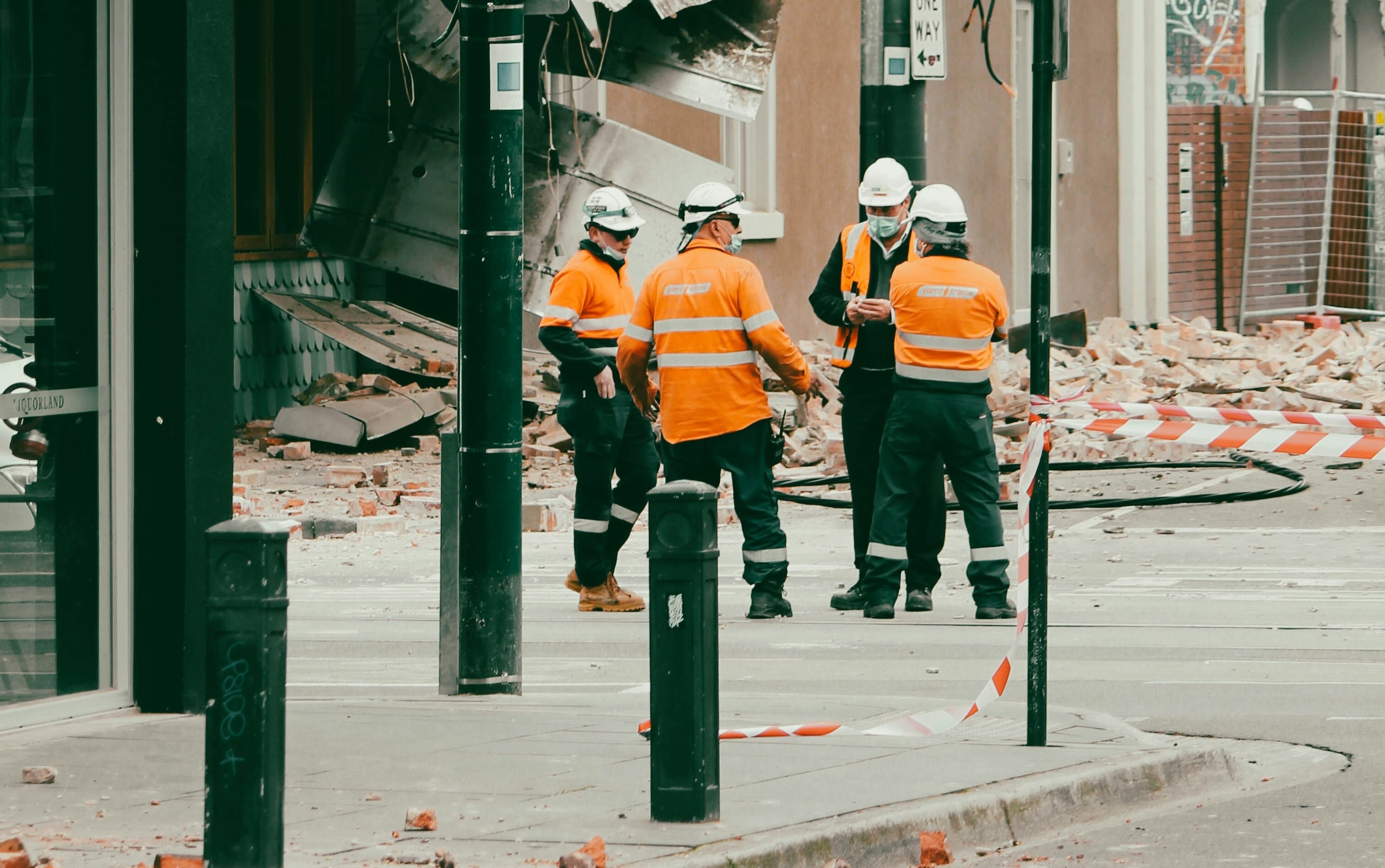
The construction industry has relied on written logs, end-of-shift reports, and photo dumps for decades. And for good reason. When projects moved slowly and conditions stayed stable, a written record made at 4pm could reasonably describe what happened at 7am. Regulators accepted it. Clients accepted it. It worked well enough.
But traffic management sites aren't stable. They change hour to hour. A lane closure shifts. A detour gets modified because of an incident upstream. Signage moves. Conditions at 7am look nothing like conditions at noon, and a written log composed after the fact can't capture that reality. It captures an approximation, filtered through fatigue and the limits of memory.
The industry knows this is a problem. Miscommunication accounts for 26% of total rework in construction projects, and bad or inaccurate data causes another 22%. That's nearly half of all rework driven not by poor workmanship, but by information that was wrong, missing, or arrived too late.
The Real Failure Isn't Skill. It's Timing.
We believe most rework in traffic management is a documentation timing failure, not a crew performance failure. The difference between a defensible record and a disputed one isn't quality of writing. It's whether the capture happened in real time or after the fact.
What Happens When You Can't Prove What the Site Looked Like
Consider a common scenario. A crew sets up a traffic management plan on a highway shoulder project. Mid-morning, a utility crew arrives and requests a modification to the lane closure. The traffic management team adjusts. By afternoon, the principal contractor's supervisor drives through, sees a layout that doesn't match the original plan, and raises a non-conformance. Now there's a change order dispute.
The crew says they were told to adjust. The utility crew says the request was different. The principal contractor says nobody informed them. Everyone's telling a version of the truth, and nobody has proof.
This is not a rare edge case. It is the default mode of traffic management operations. Conditions change constantly, multiple parties interact on site, and the documentation system (if it exists at all) was designed for stable environments. It's a costly gap: 52% of construction rework traces back to poor project data and miscommunication, according to Autodesk and FMI research.
The data backs this up. Rework still costs 5-8% of total project cost across the industry, and that figure is amplified in civil and traffic work where the variables multiply. Rising construction costs are further amplifying rework expenses, contributing to increased litigation over undocumented changes and site conditions.
Written logs and fragmented photos can't solve this. Not because crews are lazy, but because the format itself is wrong for the problem. You cannot accurately describe a dynamic, spatial, multi-party site condition in a text box at the end of a shift or with a handful of static images. You can, however, capture it in ten seconds with a phone camera, if the system makes that easy enough that it actually gets done.
That's the behavioural bottleneck most platforms miss entirely. Field crews won't adopt documentation habits that slow them down or feel like admin work stacked on top of an already demanding job. Tools like SiteStory exist specifically to collapse that friction, turning site recording into a single tap so that the capture happens in the moment, not as a reconstruction hours later. When the barrier drops low enough, documentation stops being a chore and becomes a reflex.
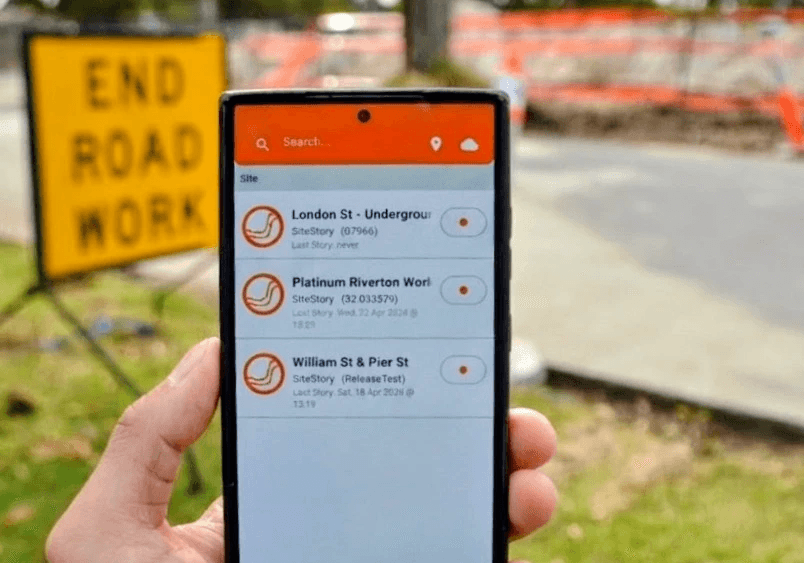
And reflexive, real-time visual capture changes the entire dispute dynamic. Instead of arguing over whose memory is correct, you have timestamped, geotagged video that shows exactly what the site looked like when the decision was made. The change order dispute dissolves. The non-conformance gets resolved in minutes instead of weeks. Construction project timelines stay intact because nobody's stuck in a back-and-forth over what happened.
Companies with consistent QA/QC practices are 25-28% more likely to achieve profit margins above 3%. Visual documentation done in real time is the most direct form of QA/QC a traffic crew can perform, because it creates an unambiguous record that protects everyone on site.
If This Is Right, Your Dispute Process Is Backwards
If rework and change order disputes are primarily documentation timing failures, then the entire way we handle disputes needs to flip. Right now, most operations treat documentation as a post-event administrative task. Something you do to satisfy compliance after the real work is done. That sequence guarantees gaps.
The implication is uncomfortable: every hour your crews spend on site without real-time visual capture is an hour of unprotected liability. Not because they're doing anything wrong, but because if something goes sideways, you have no way to prove they did it right. The cost isn't just rework. It's the legal exposure that comes from undocumented conditions, the margin erosion from disputed change orders, and the slow bleed of crew morale when good work gets questioned because nobody can verify it.
Traffic management leaders who still treat documentation as paperwork are managing yesterday's risk profile with yesterday's tools.
Rethink the Unit of Documentation
Here's the reframe: stop thinking of documentation as a report. Start thinking of it as a moment.
A report is something you produce after the fact. A moment is something you capture as it happens. The unit of useful documentation on a fast-changing traffic site isn't a daily log or a compliance form. It's a video taken at the point of change. That's the artefact that resolves disputes, proves compliance, and protects your crew.
When you shift from "document the project" to "capture the moment," everything downstream gets simpler. Your site setup verification becomes visual. Your compliance trail becomes self-generating. And your crews don't slow down, because capturing a moment takes seconds, not minutes.
The Crew Was Never the Problem
We've watched this industry blame field teams for outcomes that were engineered by broken systems. The crews aren't failing. The documentation model is failing them. Give them a capture method that matches the speed of their work, and the rework cycle starts to break.
Enable your team to capture a video at point of change or when an unexpected site condition results in a deviation from the TMP or TGS is not only for review purposes either. Using a tool like SiteStory enables operations teams to see site conditions in near real time, spot issues or changes and communicate with the team leader in the field, all whilst the site is still live. SiteStory customers like Miepol are already benefiting from this dynamic workflow and seeing reduced compliance issues and avoidance of costly NCRs.
The question isn't whether your crews are good enough. It's whether your documentation is fast enough to prove it.
Frequently Asked Questions
How can construction documentation reduce rework and errors?
Real-time visual documentation eliminates the ambiguity that causes most rework. When site conditions are captured as they happen (not reconstructed later), disputes over what occurred get resolved with evidence instead of arguments, keeping construction project timelines on track.
What is construction documentation automation?
It's the use of digital tools to reduce or eliminate manual documentation steps on job sites. In traffic management, this increasingly means mobile video capture that auto-tags location and time data, replacing handwritten logs with visual records that require minimal crew effort.
Why do project managers spend so much time on documentation tasks?
Most documentation systems were designed for office workflows, not field conditions. When crews can't easily capture information in real time, project managers inherit the burden of chasing down details, reconciling conflicting accounts, and reconstructing timelines after the fact.
Related Sources
More post you may like

Video Documentation
Thought leadership
Video Evidence for Disputes: What You Can Prove
20 Sept 2026
·
Adam Ricketts

Thought leadership
Video Documentation
Construction Compliance Documents for Fast-Changing Sites
16 July 2026
·
Adam Ricketts

Industry Insights
Video Documentation
Regulatory Compliance in Construction: A Crew Documentation Guide
8 July 2026
·
Adam Ricketts
Thought leadership
7 Construction Productivity Improvement Fixes for Traffic Crews
22 May 2026
·
Adam Ricketts

The purpose-built video documentation platform for traffic management and construction. One tap. Organised automatically. Ready when you need it most.


